A license plate can be searched in a Flock surveillance system without the vehicle owner necessarily knowing about it. Now, a website built around publicly available records is giving drivers a way to check whether agencies using Flock cameras have searched for their plate.
The tool, called HaveIBeenFlocked, allows a user to enter a license plate number and search through a collection of Flock system audit logs obtained through public-record requests.
There is an important distinction, however. The website does not tell drivers whether their vehicle physically passed a Flock camera. It also does not show what a camera may have captured or returned when a vehicle was detected.
What it can show is whether an agency using Flock cameras carried out a search for a particular license plate.
That difference is central to understanding both the tool and the wider debate around Flock’s technology.
What are Flock cameras?
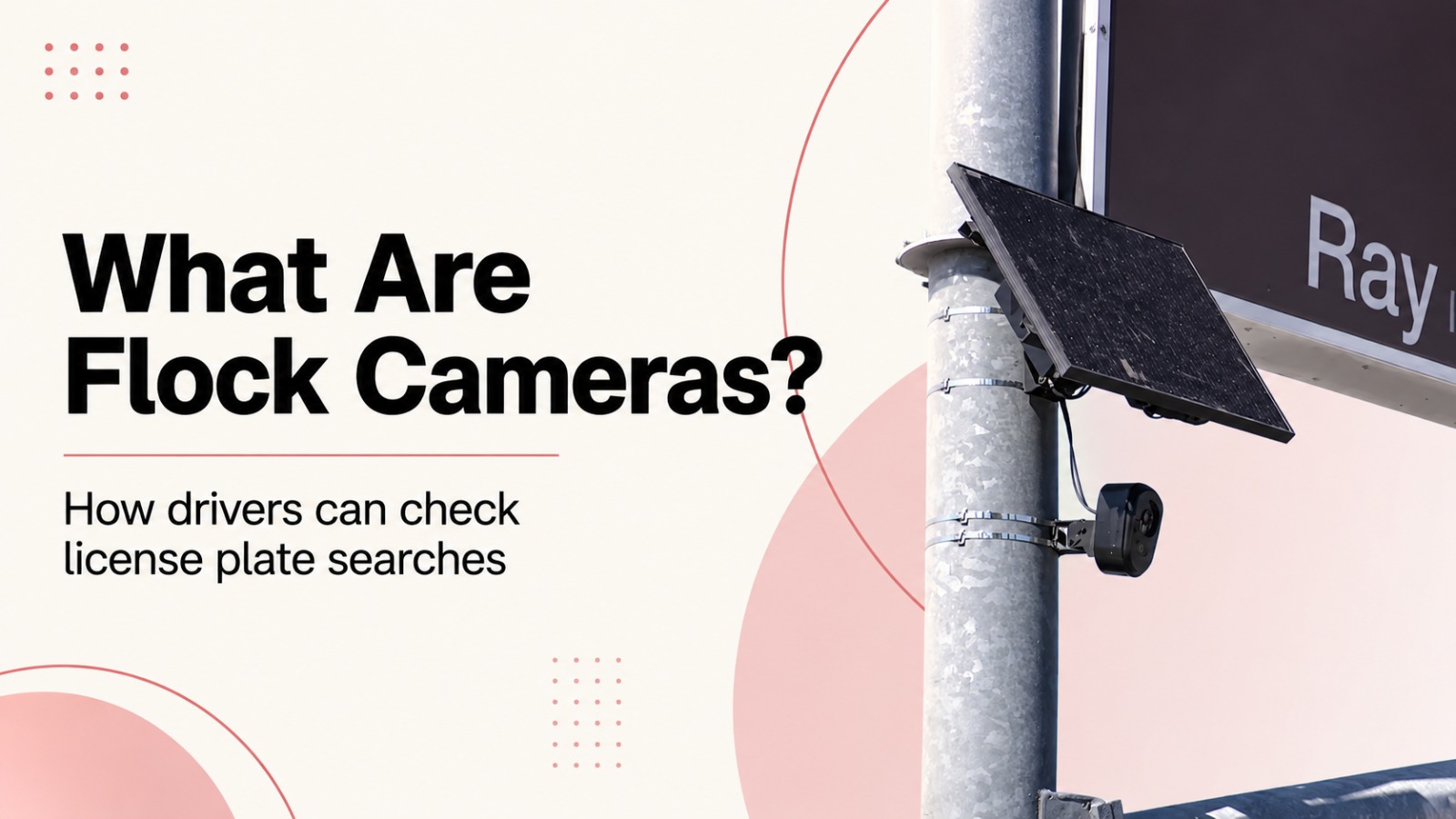
Flock cameras are license plate reader cameras that are used by law enforcement agencies.
The systems have become increasingly prominent across the United States, but their growth has also brought closer scrutiny of who can search their records, why those searches are conducted and what safeguards exist against improper access.
For drivers, much of that activity has traditionally happened out of sight. HaveIBeenFlocked approaches the issue from another direction by using publicly available audit information to make some of those searches easier to examine.
What does HaveIBeenFlocked actually show?
The website allows users to type a license plate number into a search bar and check it against a series of Flock audit logs.
The underlying information comes from records made available through Freedom of Information Act requests, with those sources then made public.
The result is not a travel history.
A match does not establish that a vehicle drove past a particular camera, nor does it reveal what a Flock device may have recorded when a vehicle passed it.
Instead, the records concern searches performed for license plates by agencies using the Flock system.
That means a person checking a plate should not interpret a result as proof that the vehicle was physically tracked at the location of a camera. It is evidence of a search appearing in the available audit records.
According to HaveIBeenFlocked, license plate numbers that users enter into its search tool are not saved.
Why were license plates being searched?
HaveIBeenFlocked also tracks the stated reasons associated with Flock searches contained in the public records it has collected.
Among those records, the most common reason appeared to involve drugs, followed closely by motor vehicle theft.
Those categories help provide some context for how participating agencies use the system, but the existence of routine law-enforcement searches has not prevented concerns about access and misuse.
That issue has become particularly significant as reports have emerged involving searches conducted for personal reasons.
The case involving more than 30 searches
One example cited in reporting on the controversy came from North Carolina.
An officer was arrested after using the Flock system to track her boyfriend’s ex-wife more than 30 times. She was subsequently fired.
The case illustrates a different concern from the everyday question of whether police agencies should use license plate reader systems at all. It raises the narrower issue of what happens when an authorised user accesses the technology for an allegedly improper personal purpose.
It is also why audit trails matter.
A system may be designed for law-enforcement investigations, but records showing who searched for a plate and why can become an important layer of accountability when questions are raised about how that access was used.
Why have Flock cameras become controversial?
HaveIBeenFlocked was created in 2025 as the use of Flock readers was growing across the country.
At the same time, questions surrounding access to the system have intensified.
One area of concern has been whether immigration enforcement can access information from the cameras.
Another has been inappropriate searches by individual law-enforcement officers. Multiple reports involving officers using the system for personal searches have surfaced, putting greater attention on how agencies and Flock identify unusual activity.
The controversy therefore involves more than the cameras themselves. It also concerns the searchable information surrounding them and the people who are permitted to access that information.
What is Flock changing?
Flock CEO Garrett Langley has announced changes to the system that are expected to be implemented by Jan. 1.
Among those changes is a tool intended to flag what has been described as “abnormal search behavior.”
Such a feature directly addresses one of the issues raised by cases involving potentially improper searches: identifying activity that falls outside normal patterns before or after it becomes a larger problem.
The American Civil Liberties Union described the planned change as a “step in the right direction,” while continuing to raise broader privacy concerns about access to historical location information.
The organisation argued that even if Flock itself is not directly providing access in every instance, it remains responsible for building the infrastructure that makes such access possible.
So, can you find out whether Flock searched your vehicle?
Not exactly.
What HaveIBeenFlocked can help users determine is whether their license plate appears in available records of searches performed by agencies using Flock cameras.
The database is not presented as a complete record of every time a car has encountered a Flock camera. It does not tell a driver every place the vehicle was photographed, nor does it show everything a camera returned.
It is a window into searchable audit records.
For people curious about whether their plate has been queried, that may still be meaningful information, particularly at a time when questions about access, oversight and unusual search behaviour are becoming part of the national discussion around license plate reader technology.
And the emergence of a public-facing search tool adds another dimension to that debate. The same audit records that document how agencies use the system can now also give individual drivers a limited way to look for their own license plates.
The key is knowing what the results mean, and just as importantly, what they do not.
Also Read: Apple iPhone 18 Pro, Pro Max & Foldable iPhone: Launch Date, Price and Leaks