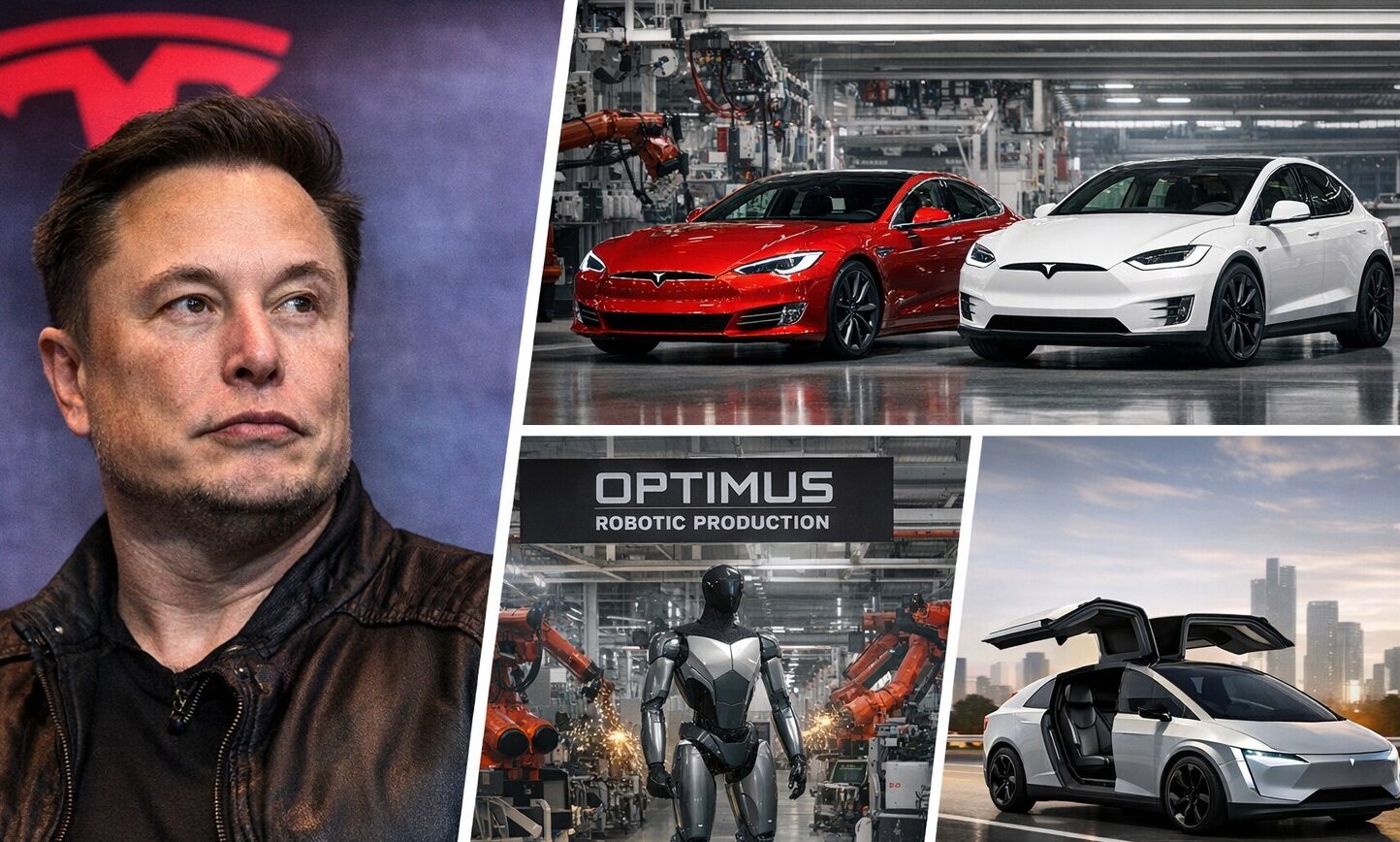
Tesla, long known as a pioneer of electric vehicles, is preparing for a major change in direction. Chief executive Elon Musk has confirmed that production of the Model S and Model X will be wound down next quarter, marking the end of two of the company’s earliest and most recognisable electric cars. The move reflects a broader shift in Tesla’s priorities as it looks beyond traditional EV manufacturing.
Speaking on Wednesday, Musk said the decision aligns with growing pressure from investors and the company’s evolving long-term vision. Tesla is now placing greater emphasis on self-driving technology and robotics, areas Musk believes will define the company’s future.
Fremont Factory to Be Repurposed
The Fremont factory in California, where the Model S and Model X have been produced for years, will no longer assemble the electric saloon and SUV. Instead, the facility is set to be converted for the production of Tesla’s Optimus robot. This change underlines Tesla’s intention to reposition itself as a business focused on autonomy and artificial intelligence rather than solely on electric cars.
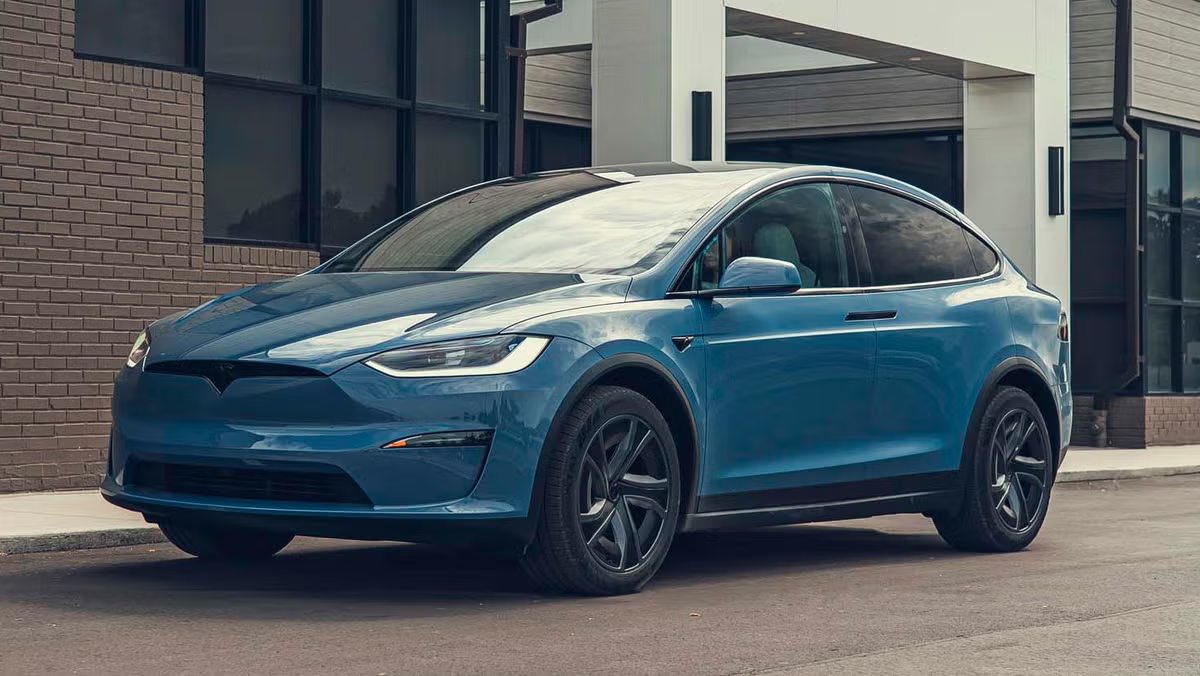
Musk described the move as an “honorable discharge” for the two vehicles, stating that Tesla is moving into a future built around autonomy. He added that many investors have encouraged the company to redirect its efforts in this direction.
Financial Pressures Behind the Decision
The decision comes after a challenging year for Tesla. In 2025, the company’s total revenue fell by three percent, while profits declined sharply by 61 percent. Overall automotive revenues dropped 11 percent year over year. In its earnings report, Tesla described the period as a transition from a hardware-centric business to a physical AI company.
While the Model S and Model X will soon cease production, existing stock will continue to be sold in various markets until supplies run out. Tesla has also said it will continue to support the vehicles for as long as customers own them.
Also Read: Perplexity signs $750 million Azure deal with Microsoft
Legacy Models Near the End of the Road
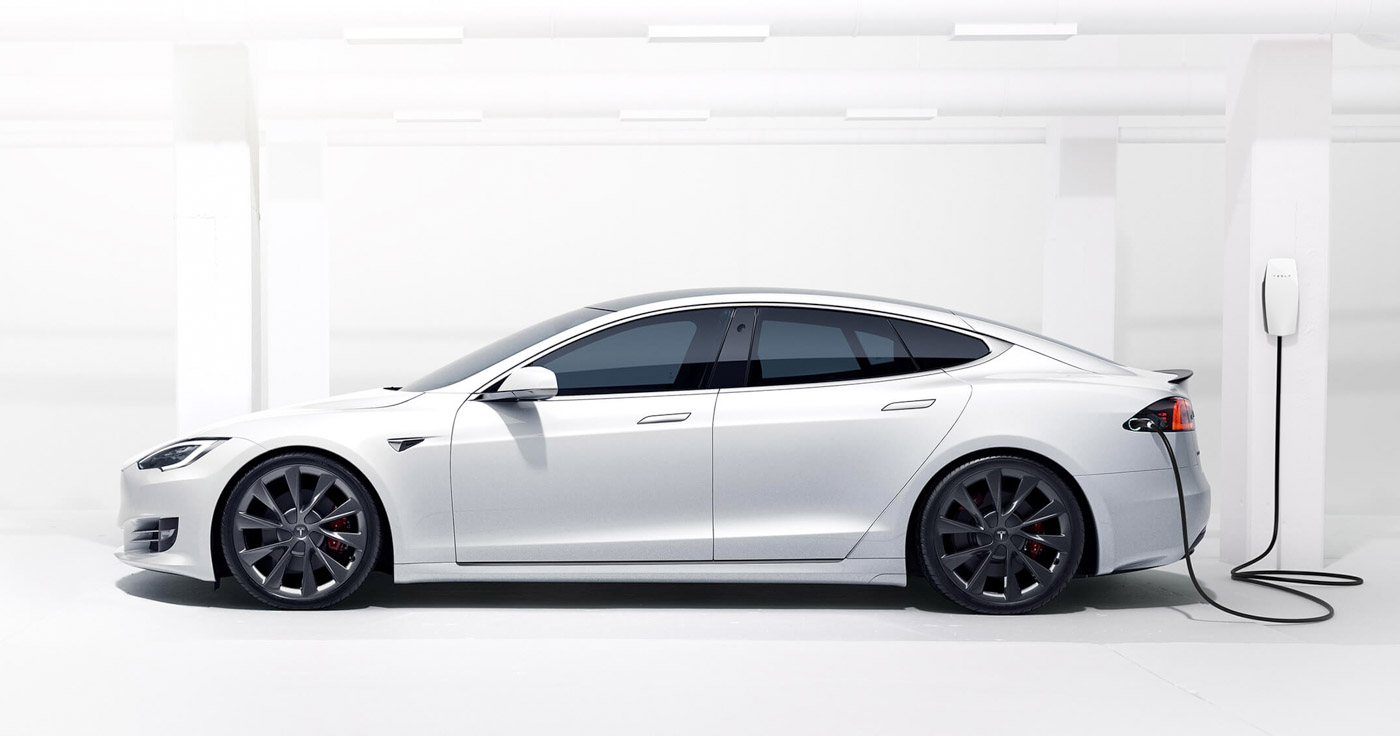
The Model S holds a special place in Tesla’s history. First launched in 2012, it was the company’s second vehicle and helped establish Tesla as a serious player in the automotive industry. It arrived in the UK in early summer 2014. The Model X followed in 2015, reaching British buyers in 2016.
Despite their early success, both models have been absent from UK showrooms for almost three years. In 2023, Tesla cancelled all existing UK orders for the Model S and Model X. Customers affected were offered alternatives, including a left-hand-drive version of the same vehicles, a £2,000 contribution towards switching to a Model 3 or Model Y, or a full refund of their deposit.
Model 3 and Model Y Take Centre Stage
Over time, the Model 3 and Model Y have become the backbone of Tesla’s global sales. The Model Y is currently Tesla’s best-selling vehicle in the UK and worldwide. It was also named the best-selling car across all fuel types globally in 2023.
Even so, the Model S and Model X still accounted for a notable share of Tesla’s deliveries. In 2025, Tesla delivered 1,585,279 Model 3 and Model Y vehicles worldwide, alongside 418,227 units of the Model S and X in what will be their final full year of availability.
Trade Barriers Add to the Challenges
Sales of the Model S and Model X were further affected in mid-2025 when Tesla stopped selling both vehicles in China. The cars were imported from the United States and became subject to tariffs imposed by China in response to trade measures introduced by US President Donald Trump. This development added to the pressure on the two ageing models.
A Look Ahead to Autonomous Transport
As Tesla steps back from some of its earliest electric cars, it is doubling down on autonomy. The company has outlined plans for the Cybercab, a fully autonomous robotaxi designed to provide individual point-to-point electric mobility. The two-seater vehicle will have no pedals or steering wheel and is expected to feature smart summon and auto park functions.
Tesla has said that many of the self-driving features used in the Cybercab already exist in the Model 3 and Model Y. Owners of these vehicles may eventually be able to rent them out once autonomous technology becomes available through over-the-air updates.
The Cybercab is currently expected to launch in the United States in 2026, although Tesla has not confirmed a specific date. Past delays, including the long-awaited second-generation Roadster first unveiled in 2017, highlight the company’s history of missed timelines.
For now, the end of the Model S and Model X marks the close of an important chapter for Tesla, even as it charts a new course beyond conventional electric vehicles.
Also Read: India Pushes Interoperable Digital Payments at BRICS Summit