India’s prospects of hosting a Formula 1 race again have gained fresh momentum, with the Adani Group expressing clear interest in reviving the global motorsport event. The move comes more than a decade after the Indian Grand Prix last took place, and signals renewed engagement between corporate stakeholders and policymakers.
Karan Adani Signals Personal Commitment
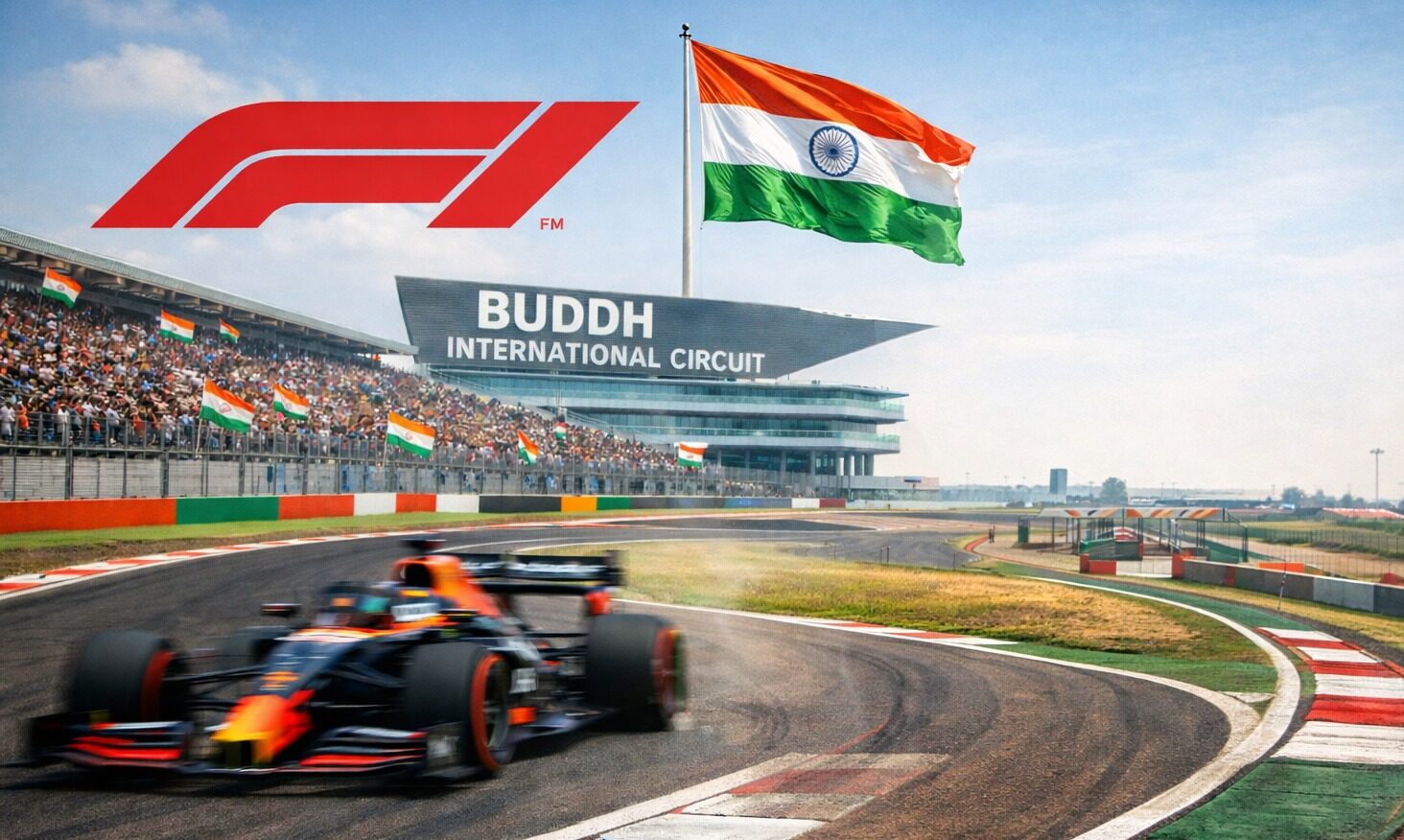
Karan Adani, Managing Director of Adani Cement and Adani Ports and Special Economic Zone under the Adani Group, has confirmed that he is personally involved in efforts to bring Formula 1 back to the country. Speaking at the 70th Foundation Day event of the All India Management Association, he underlined the importance of the Buddh International Circuit as the centrepiece of this effort.
He pointed to India’s strong and growing fan base for Formula 1 and said the country has the potential to support a successful return of the race. According to him, hosting the event would not only meet domestic demand but also enhance India’s standing in the global sporting landscape. The revival, he suggested, could showcase the country’s infrastructure capabilities while creating new opportunities in sports tourism and related sectors.
Also Read: Peak XV Partners closes $1.3 billion fundraise to back India, APAC startups
Buddh International Circuit at the Core of the Plan
The revival strategy is closely linked to the future of the Buddh International Circuit, the venue that hosted the Indian Grand Prix from 2011 to 2013. The circuit was developed by Jaiprakash Associates Ltd, which is currently undergoing insolvency proceedings.
In November 2025, lenders approved a resolution plan worth Rs 14,535 crore submitted by the Adani Group for Jaiprakash Associates. The proposal reportedly offered a higher upfront payment compared to competing bids. Once the process is completed, the acquisition would give the Adani Group control of the circuit.
Ownership of the venue is seen as a critical step in reopening discussions with Formula 1’s commercial rights holders and relevant government authorities. Control over the infrastructure would streamline negotiations and planning, making a potential return more viable.
Government Engagement Signals Policy Support
Recent developments at the policy level have further strengthened expectations. Union Sports Minister Mansukh Mandaviya visited the Buddh International Circuit and held discussions with the Yamuna Expressway Industrial Development Authority. His visit has been viewed as an indication of the government’s openness to restoring major international sporting events in India.
India previously hosted Formula 1 races at the circuit in 2011, 2012 and 2013. The event was discontinued after a tax dispute arose when the Uttar Pradesh government classified the race as entertainment rather than sport. The reclassification led to financial and legal complications that ultimately halted the event.
The minister’s recent engagement suggests that authorities may now be aligned toward resolving regulatory and policy concerns that hindered the event in the past.
Addressing Past Challenges for a Fresh Start
The earlier suspension of the Indian Grand Prix highlighted the complexities of hosting global sporting events within evolving tax and regulatory frameworks. The entertainment tax classification significantly increased costs for organisers, making the event financially unviable at the time.
Karan Adani has framed the revival as an opportunity to correct those setbacks and position India as a consistent host for world-class sporting events. Beyond the race itself, a successful return could spotlight India’s infrastructure, hospitality sector and cultural appeal. It would also offer domestic fans the chance to experience Formula 1 racing without travelling overseas.
With corporate backing from one of India’s largest conglomerates and visible government engagement, the groundwork for a Formula 1 comeback appears stronger than it has been in years. While formal announcements and agreements are still awaited, the convergence of ownership consolidation, policy interest and market demand has revived optimism that the Indian Grand Prix could once again find a place on the global Formula 1 calendar.
Also Read: India Secures $250 Billion in AI Infrastructure Commitments at Global Summit