London-based materials startup SAGES has secured £190,000 in funding from the British Design Fund to scale up its plant-based dye technology made entirely from food waste, in a bid to replace toxic synthetic dyes across global supply chains.
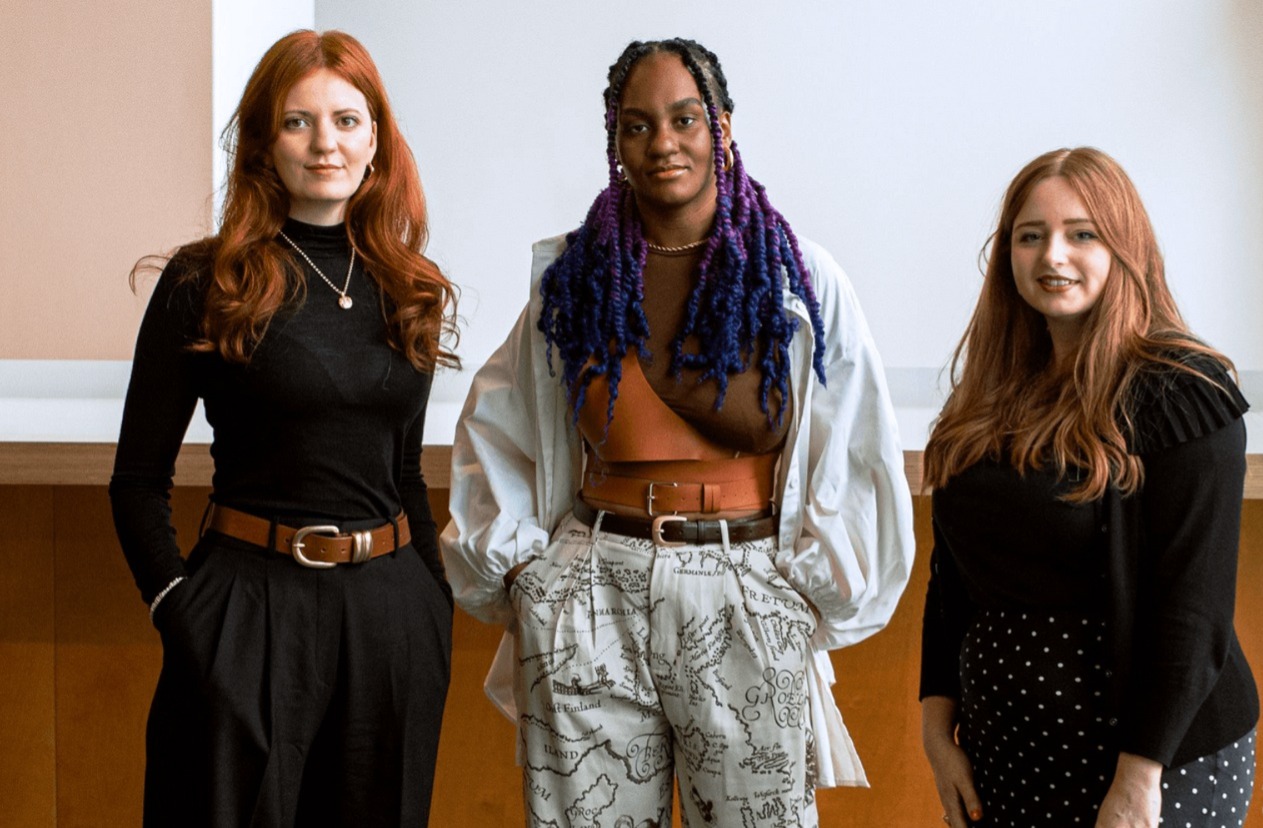
Co-founded by Emily Taylor and Alice Simpson, who met while studying at the London College of Fashion, SAGES was created with a clear mission: to take harmful synthetic dyes out of everyday products and offer manufacturers a drop-in alternative that does not require them to overhaul existing production lines.
From onion skins and coffee grounds to industrial-grade colour
Instead of relying on dyes derived from petroleum and coal tar, which are linked to around 20% of global wastewater and significant environmental damage, SAGES formulates colour from kitchen and processing waste.
The company’s patented dye formulations are built from five specific waste streams:
- Red onion skins
- Yellow onion skins
- Coffee
- Blueberry
- Red cabbage and avocado
These ingredients are turned into water-soluble, biodegradable dyes that are designed to be used in the same way as conventional colourants. The formulations have been tested on both cellulose fibres (such as plant-based textiles) and protein fibres, and have achieved industry-standard performance for UV and wash fastness, indicating that the colours can withstand sunlight and repeated laundering.
Founders driven by industry experience and a gap in the market
Taylor and Simpson bring a combined 15 years of fashion and textiles industry experience, and it was that time inside the system that shaped SAGES’ direction. They say they saw both the impact of synthetic dyes first-hand and the lack of practical, easy-to-adopt alternatives.
Synthetic dyes, Taylor points out, sit inside everything from clothing and bedding to cosmetics, yet are described by her as highly toxic, carcinogenic and heavily polluting. That combination, and looming regulatory shifts, convinced the founders that a commercially viable solution had to work with existing dyeing infrastructure rather than fight against it.
Taylor says the idea was simple, make colour clean without compromising quality. “We wanted dyes that perform and can be traced back to their source,” she says. For SAGES, food waste offered both the raw material and the story: colour rooted in circularity, built for sustainability, yet strong enough to meet industry standards.
Early collaborations signal sector-wide interest
Although still at an early stage, SAGES has already taken its dyes out of the lab and into real-world collaborations.
Recent projects include:
- Custom colour development for a London Fashion Week collection by designer Patrick McDowell
- Countertop surface applications with furniture and interiors specialist James Burleigh
- Fibre dyeing trials with Bananatex, known for banana-fibre-based textiles, and Story Mfg, a brand recognised for its focus on responsible production
These pilots indicate that the technology is being explored across fashion, interiors and industrial textiles, the very sectors SAGES is now targeting as it moves towards commercialisation.
Funding to bridge the gap from lab to factory floor
The £190,000 investment from the British Design Fund is earmarked to push SAGES through a crucial phase: the transition from lab-scale experimentation to pilot-scale production and early industry deployment.
According to the company, the capital will be used to:
- Advance product development
- Build up pilot production capacity
- Expand the dye palette beyond its current range
- Refine production systems for consistency and scale
- Deepen strategic partnerships with manufacturers and designers across SAGES’ target industries
Taylor describes the funding as a route to “scale our impact” and to bring sustainable colour options to industries that “urgently need alternatives”, underlining that performance and circularity are being pursued in tandem rather than as trade-offs.
Why British Design Fund is backing SAGES
For the British Design Fund, which focuses exclusively on purpose-led, early-stage British product businesses, SAGES fits a consistent thesis: practical innovation that solves tangible problems and is ready to grow.
The Fund backs enterprises developing physical products with the potential to scale, and its London portfolio already includes:
- Koalaa, which develops accessible prosthetics
- Hidealoo, creator of a space-optimising toilet bracket
- Matoha, which manufactures AI-powered material identification scanners for recycling
- Untap Health, which monitors wastewater for pathogens in real time to enable early health interventions
In a statement, Damon Bonser, CEO of the British Design Fund, framed SAGES as a company addressing a “critical environmental challenge” with a solution that is both “scientifically rigorous” and “commercially viable.” He highlighted the founding team’s deep expertise and clear vision for scale, positioning the startup as a future provider of sustainable colour solutions for “industries in need of change.”
While £190,000 is a relatively modest round in pure financial terms, SAGES is positioning it as a catalytic step towards bringing food-waste-based dyes into mainstream use. The company is explicit that it is not trying to reinvent textile production from scratch; instead, it is building “like-for-like” replacements that can slot into existing dyeing workflows, aiming to make adoption as straightforward as possible for factories and brands.
With regulatory pressure building and buyers increasingly asking where their colour comes from, SAGES’ next phase will test how far a circular, waste-stream-based approach can go in industries long dominated by petrochemical dyes. What happens in its pilot lines and early partnerships over the coming months will show whether the company’s lab success can translate into volume, reliability and, ultimately, a credible alternative at scale.
Also Read: New Zealand raises student work limit to 25 hours a week