

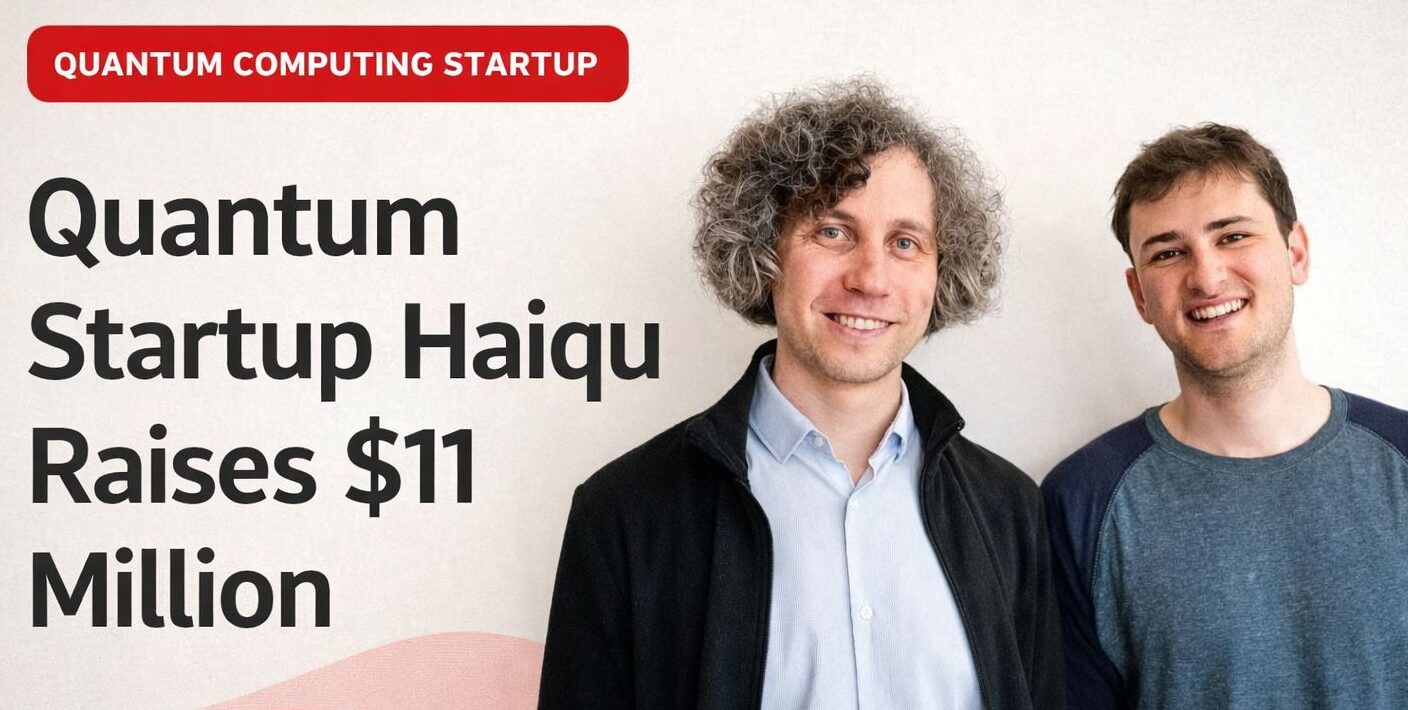
Quantum computing is often called the next big step in technology, but it is still held back by complexity, instability, and high costs. Haiqu, a startup founded in Ukraine, believes that real progress will come from better software, not just improved hardware. On January 13, 2026, Haiqu announced it had raised $11 million, a major milestone that brought global attention to the company and its founders.
The Company and Its Mission
Haiqu started in 2022 with a clear goal: to help quantum computers deliver useful results, even with their current challenges. While hardware companies work to build stronger machines, Haiqu focuses on the software that connects hardware to users. This software is important because most quantum systems today are noisy, prone to errors, and hard to program well.
Haiqu creates software that makes quantum circuits work better, reduces errors, and boosts performance on different hardware. This helps move quantum research closer to real business use. The company’s work supports industries like finance, life sciences, aviation, and advanced research, where complex calculations can give companies an edge.
The Founders Behind Haiqu
Haiqu was co-founded by Richard Givhan, the CEO, and Mykola Maksymenko, the CTO. Maksymenko, who is Ukrainian, has strong technical skills in quantum computing and software engineering. His experience in advanced research helped shape Haiqu’s technology and its focus on solving real-world problems.
Givhan guides the company’s strategy and growth, turning technical ideas into products that businesses and developers can use. The founders believe that the future of quantum computing depends on making it more usable and efficient now, not years down the line.
Also Read: A New Direction: Allegiant and Sun Country Join Forces to Change Low-Cost Travel
The Funding Round and Investors
Primary Venture Partners, a US venture capital firm that supports early-stage tech companies, led Haiqu’s $11 million funding round. Other investors included Toyota Ventures, Alumni Ventures, MacVenture Capital, Qudit Investments, and Silicon Roundabout Ventures.
Support from both institutional and strategic investors shows trust in Haiqu’s approach. Toyota Ventures’ participation highlights how big industrial companies are interested in long-term quantum technology. The funding, announced on January 13, 2026, is Haiqu’s largest so far.
How Haiqu Plans to Use the Capital
Haiqu will use the new funding to grow its engineering and research teams, speed up product development, and work more closely with hardware partners and business clients. The company also plans to test its software in real-world settings to show real business results.
By investing in people and infrastructure, Haiqu wants to become a key software company in the quantum field, not just a short-term project linked to one type of hardware.
Why Haiqu’s Progress Matters
Haiqu’s growth shows a bigger change in the quantum industry. As people set more realistic goals, they are focusing on companies that can make progress now. Software is key in this shift, helping current quantum systems work better without waiting for perfect hardware.
Haiqu’s success is also important for Ukraine’s startup scene. Even with geopolitical challenges, Ukrainian startups keep creating technology that matters worldwide and attract global investment. Haiqu shows how talent and innovation can cross borders.
Haiqu’s Place in the Quantum Industry
The quantum computing industry is entering a more sober and pragmatic phase. Expectations are becoming more realistic, and investors are paying closer attention to companies that can demonstrate near-term impact. Haiqu fits into this shift by focusing on measurable performance improvements rather than distant promises.
By addressing software inefficiencies, Haiqu contributes to the entire ecosystem. Better software means better outcomes for hardware providers, researchers, and enterprises alike. This collaborative positioning sets the company apart from firms competing for attention in an already crowded field.
The Road Ahead for the Company
Haiqu is now at a key stage where delivering results is as important as having a vision. With new funding and strong investor support, the company needs to show that its software can reliably improve quantum performance in real situations.
If Haiqu succeeds, it could help make quantum computing a practical tool for industry, not just a scientific goal. The company’s story is about patience, careful work, and the idea that big changes in technology happen step by step.
Also Read: Hexalog Secures $4 Million Seed Funding to Scale Cross-Border Logistics Platform
















