India’s fantasy sports heavyweight Dream11 is trying to reinvent itself as more than a team-selection app, positioning the platform as a digital hangout for fans at a time when its core money-game business remains shut.
On 4 December, parent company Dream Sports unveiled a refreshed Dream11 experience that leans heavily on creators and livestreamers, framing the app as a “second-screen sports entertainment platform” rather than just a contest lobby.
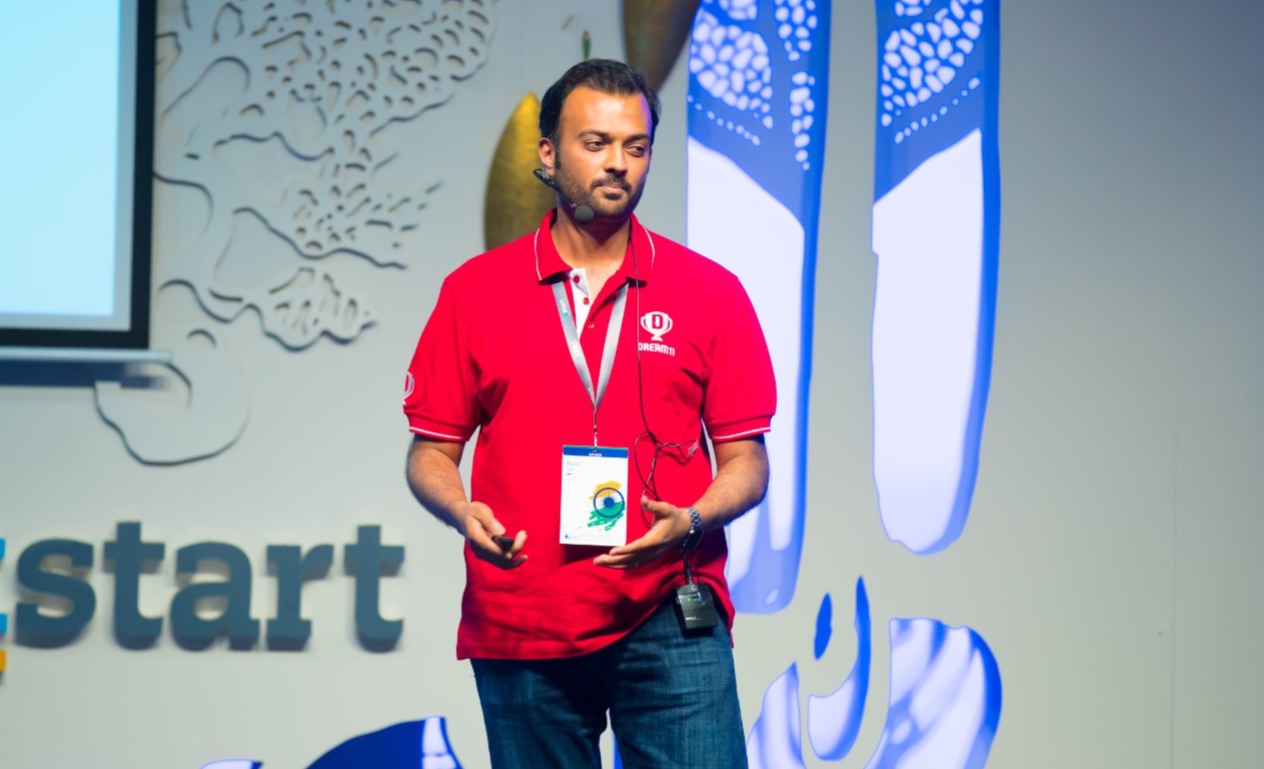
Co-founder and CEO Harsh Jain, addressing the media at the launch, likened the new avatar of Dream11 to “popcorn to your movie”, something fans keep open while watching live sport elsewhere, dipping in for commentary, banter and creator-led shows around matches.
From contests to community
The rebrand is designed to move Dream11 away from a purely transaction-driven product to a stickier community space built around personalities and real-time conversations.
The company’s pitch is simple: instead of logging in only before toss time to set line-ups, users should feel comfortable spending time on the app throughout a game window, following streams, reacting to moments and engaging with fan communities anchored around their favourite sports.
By putting creators and livestreamers at the centre, Dream11 is also acknowledging how sports consumption has changed in India. A younger, mobile-first audience now expects watch-along experiences, fan-run shows and quick-fire reactions on top of traditional TV or OTT coverage. The revamp attempts to fold these second-screen behaviours into a single destination bearing a brand that already enjoys high recall among sports followers.
A reboot after a regulatory shock
The timing of the launch is as important as the product. The makeover comes a little over three months after Dream11 stopped all paid contests on its platform in response to a new online gaming law that outlaws “money games”, products where users deposit money in the hope of earning winnings on that deposit.
Those contests were not a side business: they accounted for 95% of Dream11’s revenue and all of its profits. Shutting them down effectively meant pausing the cash engine that helped Dream11 become a dominant name in Indian fantasy sports.
While the company has not spelt out detailed financial targets for the new avatar, the strategy is clearly to preserve its relationship with users and to keep the brand front-of-mind even as its primary revenue stream is on hold. If fans continue to treat Dream11 as a trusted hub for match-time conversations and creator content, the platform will be better placed to adapt once there is clarity on what forms of monetisation are possible under the new law.
The revamp also underlines a broader shift in India’s online gaming and sports tech ecosystem. Regulatory uncertainty around real-money formats is forcing companies to invest in engagement models that are less dependent on entry fees and prize pools. Dream11’s pivot towards a creator-led, hangout-style product is one of the most visible examples of this churn.
For Dream11, the challenge will be to convert fantasy players into regular content consumers. The platform has built a massive user base on the back of match-linked contests; now it has to persuade those same users that it is worth opening the app even when there is no cash contest at stake.
That means creators will have to deliver consistently engaging shows, and product decisions will need to make it easy for fans to move fluidly between watching a match and hanging out on their phones.
What it signals to the market?
For sports-tech founders and investors, Dream11’s move is a signal that India’s fantasy boom has entered a new, more complicated phase. Growth will no longer be only about adding more contests or leagues; it will also hinge on building communities, creator economies and regulatory-compliant ways of keeping sports fans engaged.
Whether Dream11’s “second-screen” push becomes a template for others or remains a unique experiment will depend on how quickly fans adopt this new behaviour. But the direction of travel is clear: India’s biggest fantasy sports brand now wants to be where fans hang out, not just where they play.
Also Read: Luana Lopes Lara Becomes Youngest Self-Made Billionaire