

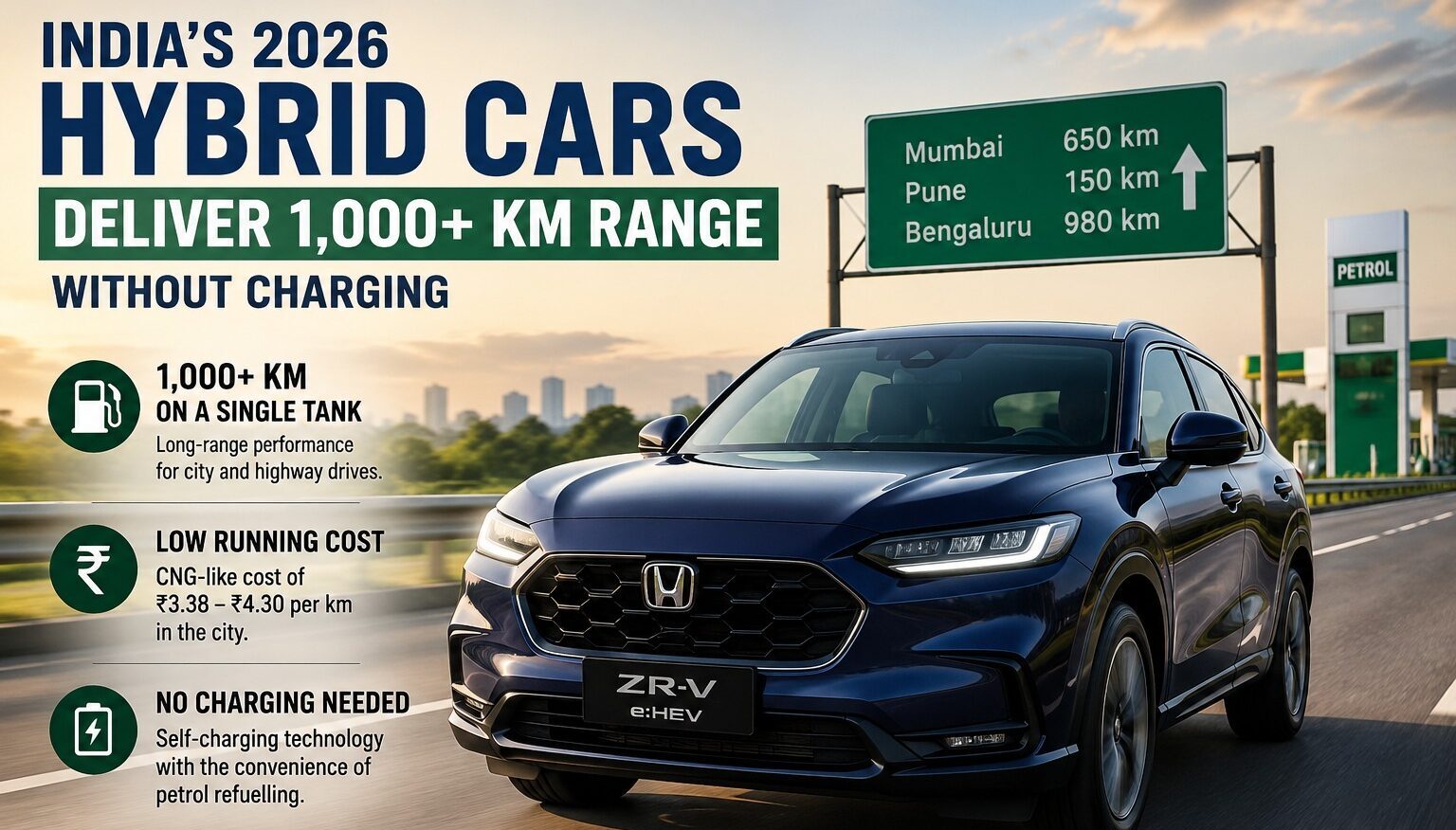
India’s hybrid vehicle market is witnessing a significant shift in 2026, with several strong hybrid models now capable of covering more than 1,000 kilometres on a single tank of fuel. As fuel prices remain elevated and charging infrastructure for electric vehicles continues to develop, these long-range hybrids are emerging as a practical solution for motorists seeking efficiency without compromising convenience.
The latest lineup of hybrid vehicles combines petrol engines with electric motors to deliver impressive fuel economy, helping drivers reduce running costs while maintaining the flexibility of conventional refuelling.
Six Hybrid Models Deliver More Than 1,000 Km on a Single Tank
The 2026 hybrid portfolio includes six strong hybrid models that are claimed to offer driving ranges exceeding 1,000 kilometres on a full tank. These figures are based on manufacturer-stated fuel efficiency and fuel tank capacities.
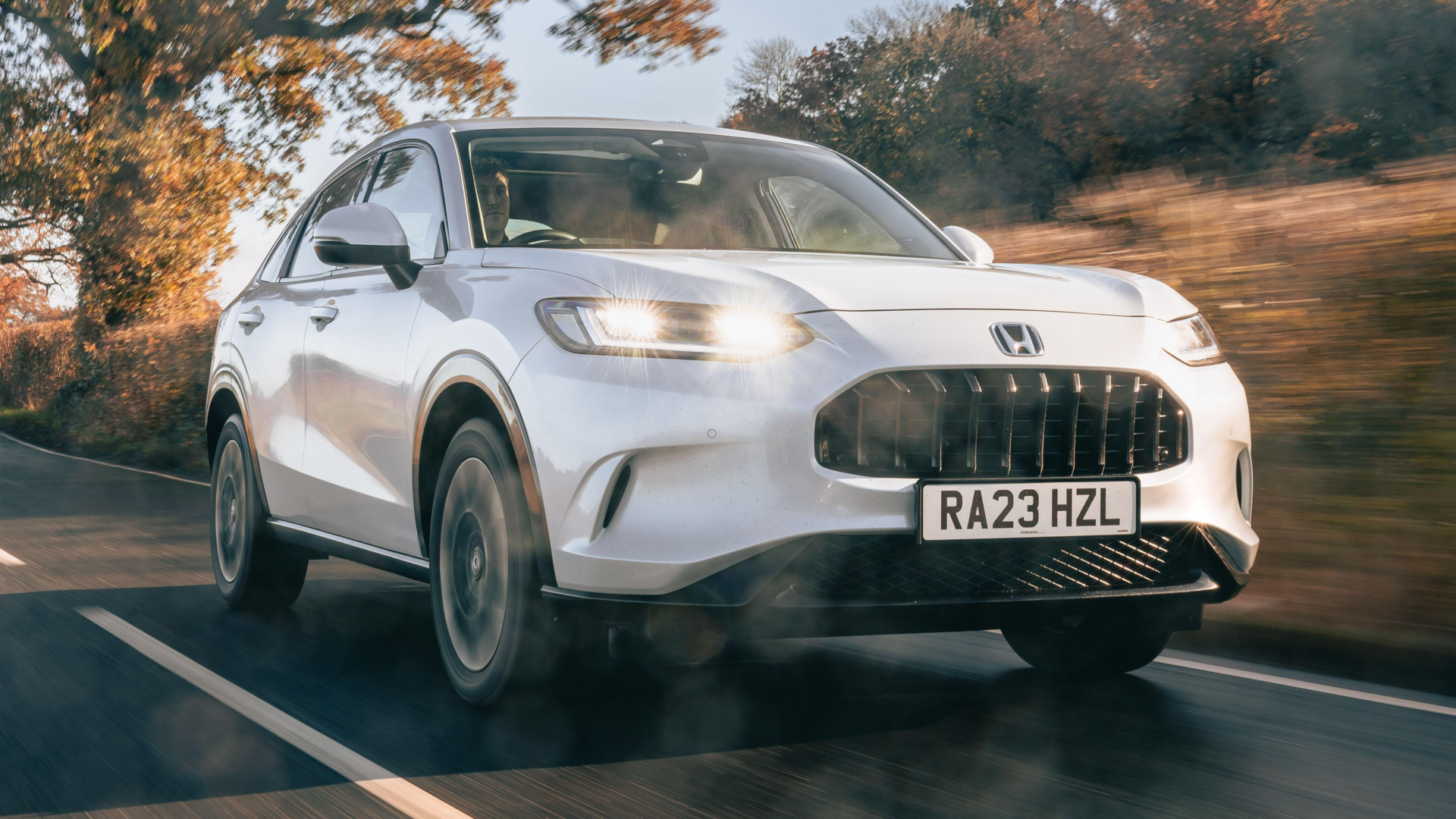
Among the standout models is the Honda ZR-V Hybrid, which leads the segment with an estimated range of 1,254 kilometres. Closely following it is the Maruti Suzuki Victoris Hybrid, which is claimed to deliver around 1,232 kilometres on a single tank.
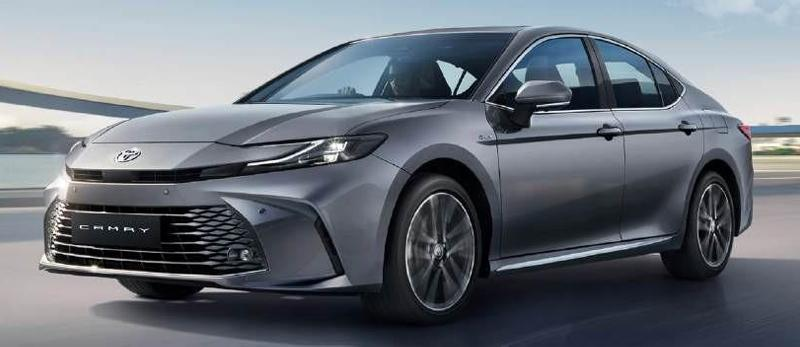
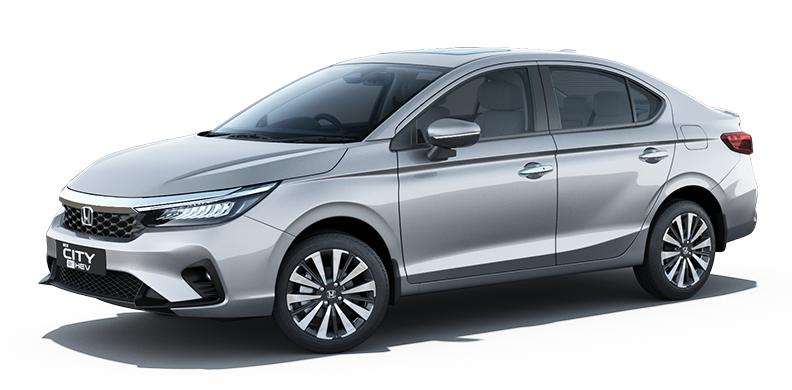
The Toyota Camry Hybrid also ranks among the longest-range vehicles in the category, with a claimed range of approximately 1,224 kilometres. Meanwhile, the Honda City e:HEV remains one of the most accessible strong hybrid options in the market, offering a claimed range of 1,036 kilometres.
These figures demonstrate how hybrid technology has evolved from being a niche efficiency feature into a practical solution for long-distance travel and daily commuting.
Why Long-Range Hybrids Are Gaining Attention in India
One of the biggest advantages of strong hybrids is their ability to reduce fuel consumption without requiring external charging. Unlike battery-electric vehicles, hybrids generate and store electrical energy while driving, eliminating dependence on charging stations.
This feature is particularly relevant in India, where public charging infrastructure remains limited in many regions, especially along intercity and highway routes. Drivers can refuel hybrids at any conventional petrol station, making them suitable for both urban use and long-distance journeys.
For consumers who regularly travel between cities or undertake long highway trips, the ability to cover more than 1,000 kilometres before refuelling can significantly improve convenience and reduce concerns about range limitations.
How Strong Hybrid Technology Maximises Fuel Efficiency
Strong hybrid vehicles use a combination of a petrol engine and an electric motor that work together to maximise efficiency. During low-speed driving conditions, the electric motor can power the vehicle independently, reducing fuel consumption and emissions.
Another key feature is regenerative braking, which captures energy that would otherwise be lost during braking and converts it into electricity. This energy is then stored in the battery and reused to assist vehicle operation.
Many strong hybrids also incorporate automatic engine stop-start systems, which switch off the petrol engine when the vehicle is stationary and restart it when needed. This further improves fuel economy, particularly in stop-and-go city traffic.
Because these systems recharge themselves during normal driving, owners do not need dedicated charging infrastructure or home charging equipment.
Lower Running Costs Add to the Appeal
The growing interest in hybrid vehicles is also linked to rising fuel costs. With petrol prices remaining above ₹102 per litre in Delhi, fuel efficiency has become a major consideration for many buyers.
Strong hybrids are increasingly viewed as a cost-effective alternative, with city running costs often approaching those traditionally associated with CNG-powered vehicles. At the same time, they avoid the limitations of CNG infrastructure, which remains unevenly distributed across different parts of the country.
This combination of fuel savings, convenience and extended range has helped strengthen the position of hybrids among consumers looking for practical mobility solutions.
What Lies Ahead for India’s Hybrid Vehicle Segment
Strong hybrids are carving out a distinct position between conventional petrol-powered vehicles and fully electric cars. Their ability to deliver long driving ranges, lower fuel consumption and nationwide usability makes them attractive to drivers seeking efficiency without changing their refuelling habits.
The future direction of the segment will depend on several factors, including fuel prices, charging infrastructure expansion, government policies and consumer preferences. While electric vehicles continue to gain momentum, hybrids are expected to remain a practical option for motorists who prioritise long-distance capability and ease of use.
With multiple models now crossing the 1,000-kilometre range milestone, hybrid technology is becoming an increasingly important part of India’s evolving automotive landscape.
Also Read: Vaibhav Sooryavanshi’s Bat Deal Race Heats Up As Brands Line Up With Big-Money Offers

















