

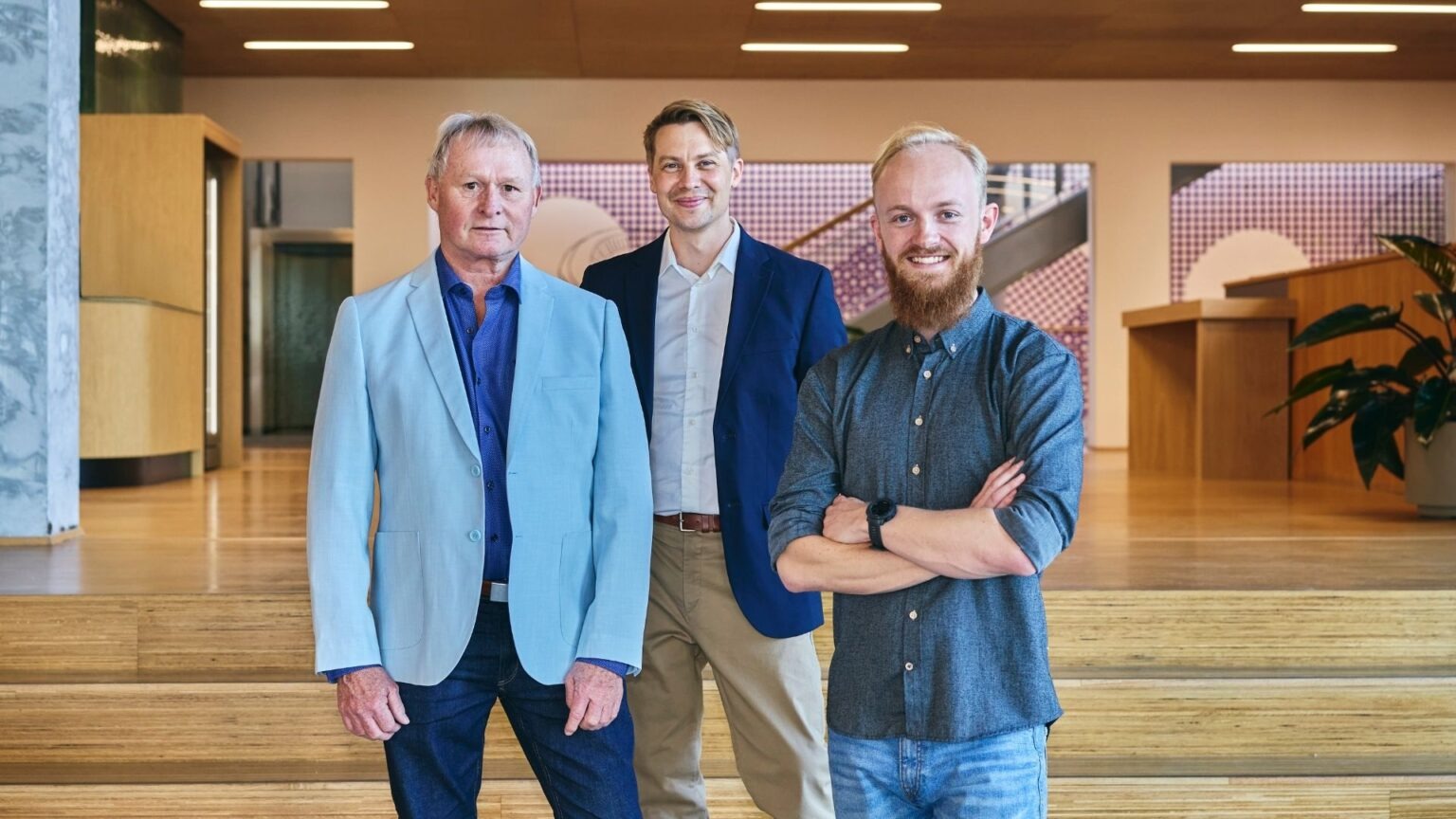
Copenhagen-based biotech startup Alcolase has raised €1.5 million to develop an enzyme-based solution for alcohol flush, a condition linked to alcohol intolerance and ALDH2 deficiency.
The funding round was backed by Ada Ventures, Delphinus Venture Capital, Antler, Manigoff Invest and a group of business angels. The company plans to use the capital for an in vivo study, further technology development, strengthening its IP position and taking early commercial steps toward partnerships in key markets.
Founded in 2020 by Mikkel Precht, Jeppe Malthe Mikkelsen and Mads Emil Mikkelsen, Alcolase is working on technology designed to break down alcohol in the stomach before it enters the bloodstream. Its platform uses liposomal encapsulation to protect enzymes from stomach acid and keep them active where they are needed.
The company is first looking at Singapore, followed by South Korea, where alcohol intolerance is more common. It has also set up a UK subsidiary to support development of its delivery platform for therapeutic applications, with Ada Ventures backing its expansion into the UK life sciences sector.
Alcolase says its work is aimed at roughly 540 million people in East Asia who live with ALDH2 deficiency, a genetic variant that makes it harder for the body to break down alcohol effectively. The condition can cause flushing, nausea and discomfort, along with increased health risks linked to alcohol consumption.
For CEO and co-founder Mikkel Precht, the issue is not about encouraging people to drink more. He said the aim is to give people with alcohol intolerance a real choice in social, family and professional settings where drinking often plays a role.
Ada Ventures co-founding partner Check Warner said Alcolase is tackling a problem that affects hundreds of millions of people and described ALDH2 deficiency as a genetic reality that has been “hiding in plain sight.” Alasdair Thong, Venture Partner at Ada Ventures, will join Alcolase’s board as the company enters its next phase.
With fresh funding, Alcolase now moves from early promise toward proof points. Its next challenge will be to show that its enzyme delivery approach can work safely and effectively in real-world development, while building partnerships in markets where alcohol intolerance is not just a health concern, but also a social reality.
















