

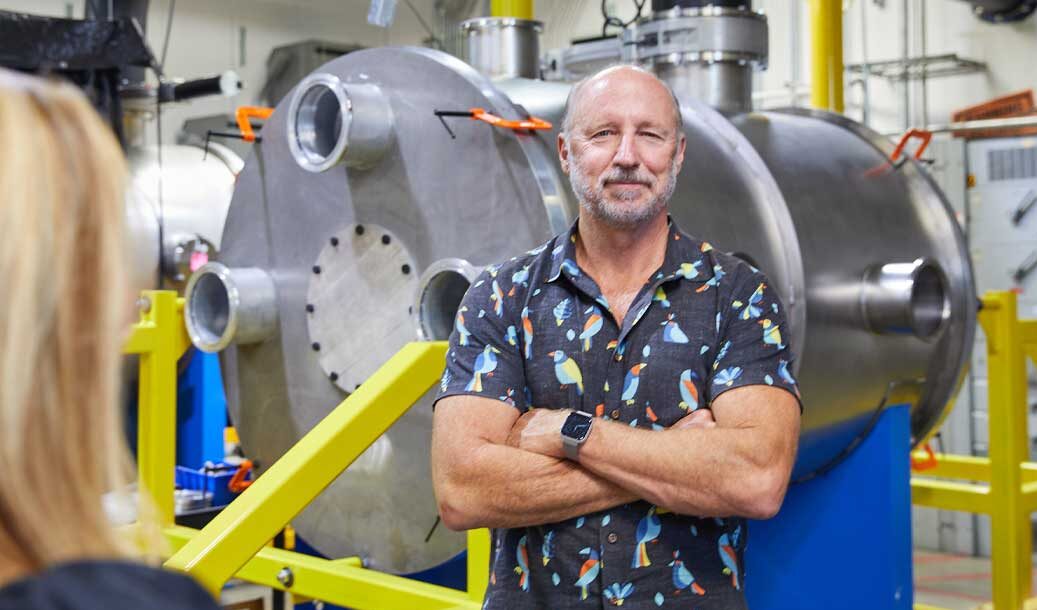
A recent experiment conducted aboard the International Space Station has brought fresh attention to a California-based aerospace company, TransAstra, and its ambitious vision for safer space operations. The company, founded by aerospace engineer Joel Sercel, successfully tested an inflatable “Capture Bag” designed to gently surround asteroids and retrieve orbital debris. The achievement is a significant step forward in exploring safer ways to manage objects in space.
A Softer Approach to a Hard Problem
It has always been difficult to capture objects in space. Space rocks typically have irregular shapes, are covered with loose rocks, and have surfaces that may even be different chemically and will thus react to the touch in a completely unknown way. On the other hand, orbital debris such as old satellites or the fragments left after previous missions moves at very high speeds making any interaction inherently risky.
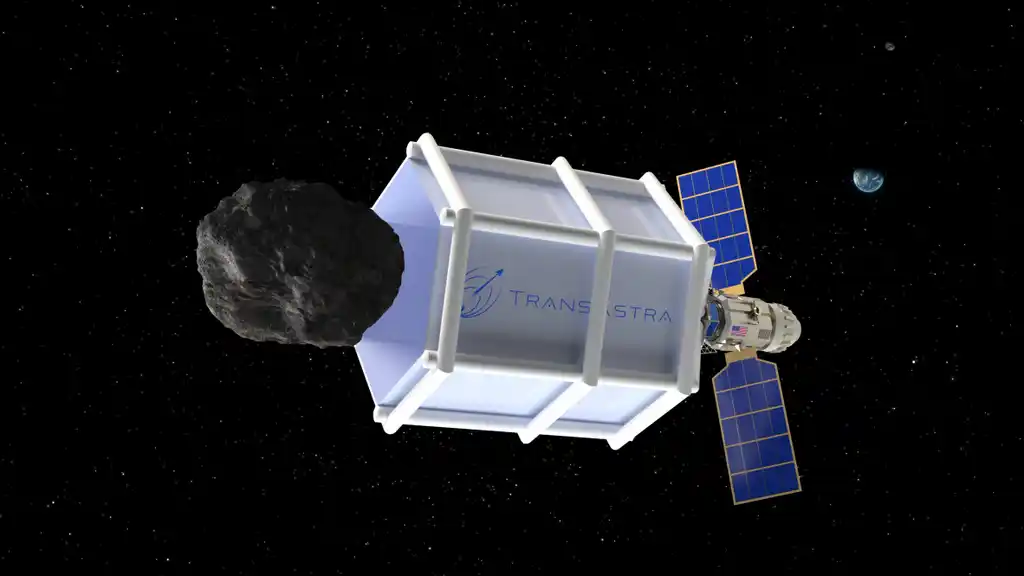
TransAstra’s Capture Bag is not a claw or a solid-surface trap, but rather a flexible, inflatable enclosure that is deployed. After it is inflated, the target object is surrounded, the Capture Bag adjusting to the uneven shape of the object. This lowers the pressure of the surface of the object and practically eliminates the possibility that the material may be broken into pieces due to the capture. It is a gentler, more adaptable reply to the difficulties which have been frustrating space engineers for a long time.
Also Read: Meet Beside: The AI That Answers Your Phone
What the ISS Test Revealed
Most of the experiments on the International Space Station revolved around one pressing question: can an inflatable capture system perform consistently in a space environment? The space vacuum, the extremely low or high temperatures, and the radiation make the outer space environment very different from what earth-bound tests can simulate.
During the demonstration, the Capture Bag was deployed in microgravity and inflated in its operational configuration. Engineers observed how the material unfolded, how it held pressure, and how the overall structure performed once fully expanded. The test validated the bag’s ability to maintain its shape and stability, marking an important step toward using the technology for real space operations.
This test was intentionally small in scale, but its success opens the door to increasingly larger versions that could eventually be used in active missions to collect debris or secure small asteroids.
Tackling the Growing Problem of Space Debris
Space debris is nowadays one of the biggest problems that space activities face. More satellites are being put into space every year, and consequently, the amount of fragments is increasing as well. In fact, even small pieces can be sources of great dangers since collisions at extremely high speeds can cause the damage or destruction of operations arescs.
TransAstra’s inflatable system offers an approach that avoids the risks associated with rigid capture devices. By gently surrounding debris rather than striking or gripping it, the Capture Bag could help prevent additional fragmentation. As the technology develops, it may become part of broader efforts to clean Earth’s orbit and prevent the long-feared chain reaction of collisions that scientists have warned about.
Laying the Groundwork for Asteroid Resource Utilization
Although orbital cleanup is an important application, TransAstra’s founder, Joel Sercel, has long emphasized the broader potential of handling asteroids safely. Many space agencies and researchers point out that asteroids contain valuable minerals, metals, and even water, resources that could support long-term space missions, construction, and fuel production.
Capturing an asteroid safely is one of the most difficult parts of this process. Traditional methods carry high risks and require precise maneuvering. TransAstra’s inflatable design introduces a more forgiving way to enclose and stabilize a target, especially those with unpredictable surfaces. If the technology continues to advance, it could play a key role in future missions that aim to bring small asteroids into controlled environments for scientific study or resource extraction.
A Future Built on Flexible Innovation
The demonstration on the ISS is a major milestone for TransAstra as well as the whole space technology sector. At first glance, inflatable structures could be considered as a radical idea in the space industry since there are usually metal structures that are associated with spacecraft. However, these structures have some unique advantages such as adaptability, lesser impact forces, and scalability.
While the company is still working on bigger models of the Capture Bag and perfecting its method, the technology can eventually become a vital instrument both for orbital safety and the resource missions of the future. A microgravity-focused experiment that has now only become the way for the next stage of astronauts’, researchers’, and engineers’ interaction with objects in space, is what it seems to be.
TransAstra’s progress, guided by the vision of founder Joel Sercel, signifies how innovative thinking and flexible engineering can reshape the challenges of living and working beyond Earth.
Also Read: Sprinto rolls out AI toolkit to make compliance ‘autonomous’
















