

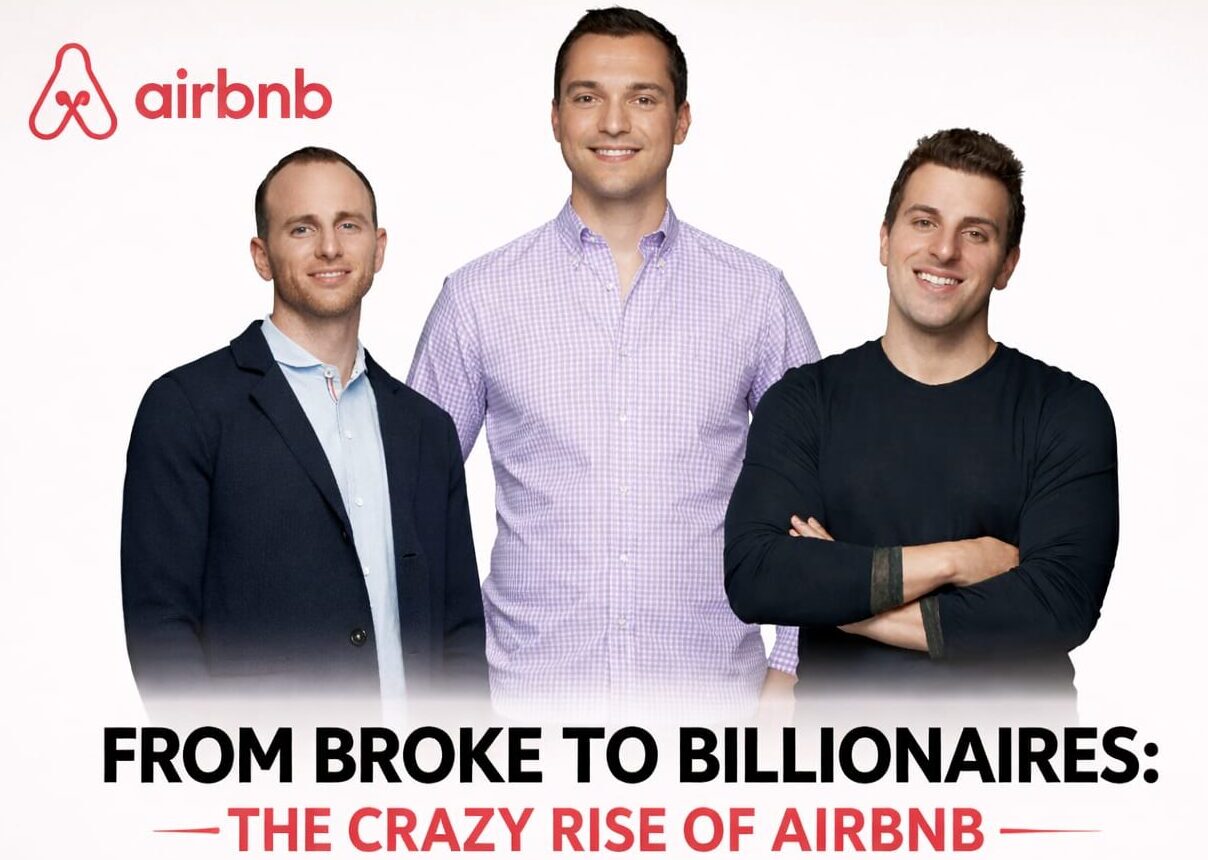
In the fall of 2007, Brian Chesky and Joe Gebbia, two recent graduates from the Rhode Island School of Design, were struggling to make ends meet in San Francisco, a city with skyrocketing rents and fierce competition for design jobs. Both had quit secure employment to chase creative work, but the bills were piling up, and they were on the brink of running out of options.
The pair were sharing a small apartment when they heard about an upcoming design conference in town where hotel rooms were completely sold out. Facing the immediate pressure of rent and living expenses, they saw an opportunity disguised as desperation. For $80 a night, they bought three inexpensive air mattresses and offered them, and with a homemade breakfast, to visitors on their living room floor. Three people agreed to stay. This modest beginning was the seed of what would become Airbnb. They called this early concept “AirBed & Breakfast.” Though the idea was simple, it was also unconventional and alarming to many: invite strangers into your home, put them on air mattresses, and hope they pay. But for Brian and Joe, it became a matter of survival.
Racking Up Debt: Desperation Meets Determination
Despite that initial weekend of curious bookings, traction was painfully slow. For months, the site had barely any visitors, around 50 per day, with only 10–20 bookings a day. Investors didn’t believe in the concept, often dismissing it as too strange or risky. Some lectures came directly from Silicon Valley; others were polite dismissals. None offered the crucial early funding the founders needed.
With no income, Chesky and Gebbia turned to their credit cards to keep the business alive. They maxed out card after card, tracking them like baseball cards in plastic binders. At one point, each founder was tens of thousands of dollars in debt just to pay rent, keep the website running, and put food on the table. It was a chronic state of anxiety and uncertainty, living week by week, afternoon by afternoon. Their situation became so perilous that they dubbed one round of desperate funding their “Visa round,” a grim joke about relying on credit rather than investors. Gebbia later reflected that this was not advice he would give other entrepreneurs, noting the emotional toll and sheer stress it caused.
The Cereal That Kept Them Afloat
By 2008, Airbnb still hadn’t found its market fit, and the company’s bank account was nearly dry. Facing what seemed like an inevitable collapse, Chesky and Gebbia did something remarkable. They invented a new product to finance the old one. With the U.S. presidential election looming, they created limited-edition political breakfast cereal boxes called “Obama O’s” and “Cap’n McCain’s.” The design was cheeky and timely, and each box was sold for $40, far more than typical cereal.
The founders hand-assembled the boxes in their apartment, gluing and labelling them late into the nights. Despite the absurdity of the idea, collectors and supporters bought enough boxes to raise roughly $30,000, a sum that didn’t just pay bills; it bought them time to keep working on Airbnb. This stunt became part of company lore and inspired co-founders to embrace creativity under pressure, earning them the playful title of “cereal entrepreneurs.”
Also Read: How EpiBiologics Went From Lab Idea to $107 Million Cancer Drug Bet
Turning the Tide
Even after their cereal success, Airbnb wasn’t out of the woods. Rejection from investors continued, and then came a critical turning point. Encouraged by Twitch co-founder Justin Kan, the Airbnb team applied to Y Combinator, a prestigious Silicon Valley accelerator with a track record of launching global companies. A last-minute recommendation email helped them secure a place in the program.
Once inside Y Combinator, co-founder Paul Graham gave them simple but transformative advice: “Stop coding. Go meet your users.” They flew to New York City and discovered that many hosts were using low-quality photos that made their listings look unattractive. By photographing listings themselves and redesigning the user experience, they ignited real growth.
From Survival to Success
With renewed focus, product improvements, and the credibility of Y Combinator behind them, Airbnb began to take off. By 2009, they secured early funding and soon expanded their service beyond city apartments to homes and rooms around the world. Over the next decade, what started with three airbeds and a mountain of debt grew into a company with millions of listings in hundreds of countries, culminating in a public listing with a valuation exceeding $100 billion.
Lessons in Grit and Creativity
The Airbnb story isn’t just about innovation; it’s about survival. In those early years, Chesky and Gebbia lived on the edge of collapse, using every tool they had, credit cards, invention, late nights, and personal resilience, to keep their dream alive. Their journey is a testament to persistence through failure, creativity in crisis, and the belief that ideas that seem crazy to others can one day change the world.
Also Read: AI Startup Aivar Raises $4.6M to Help Companies Actually Use AI in the Real World
















